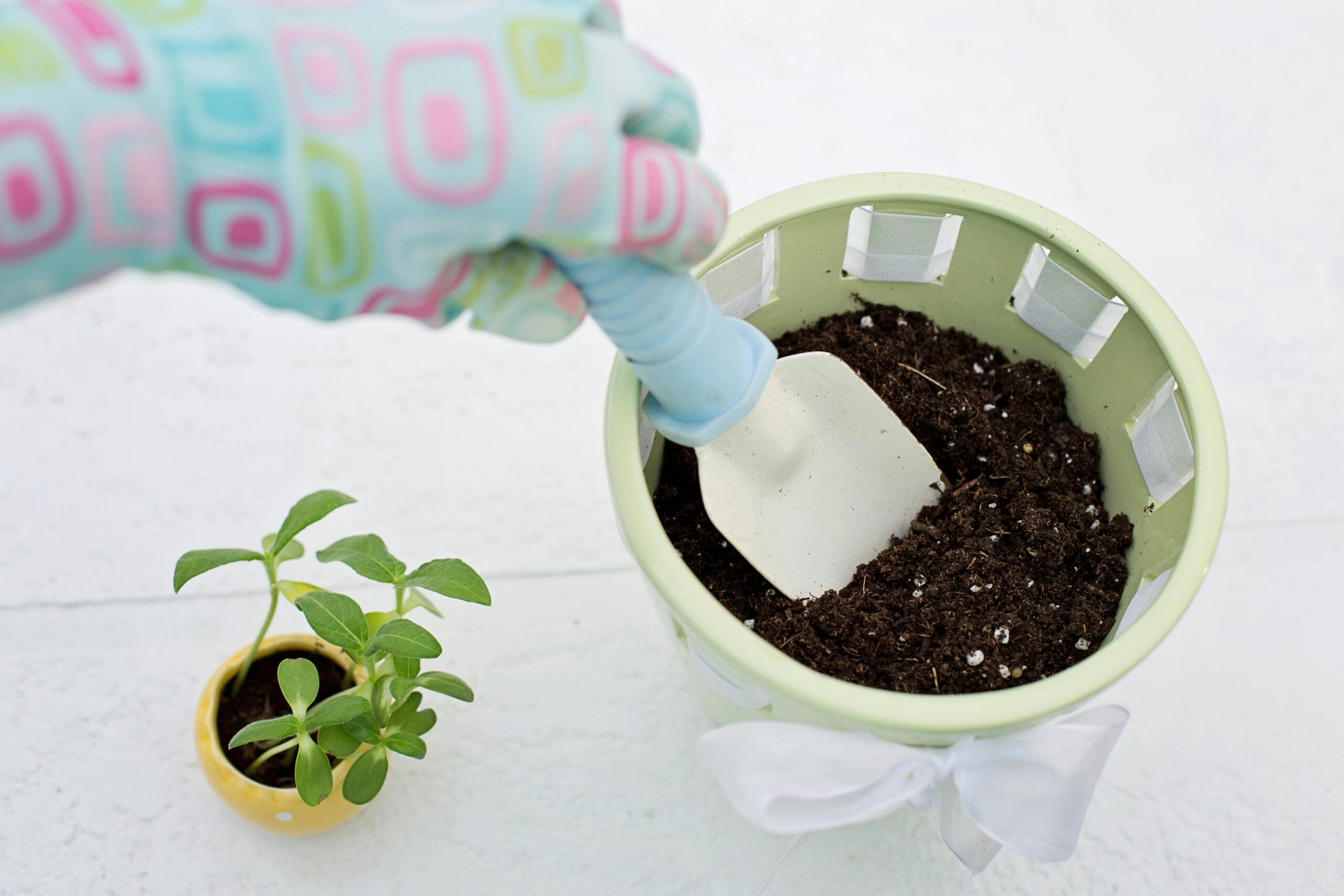
Starting Your Green Thumb Journey: How to Grow Vegetables at Home for Beginners
If you’ve ever considered starting a vegetable garden at home but didn’t know where to begin, you’re in the right place. Growing your own vegetables can be a rewarding, educational, and fun activity that enhances your health and reduces your environmental impact. This guide will walk you through the basics of home gardening, from planning your garden to harvesting your produce.
Understanding the Basics of Home Gardening
Before you start, it’s essential to understand a few fundamentals about growing vegetables. Successful vegetable gardening involves more than just planting seeds and waiting for them to grow. You need to consider factors like soil quality, sunlight, water, and the right types of vegetables to grow in your climate.
Choosing the Right Location
The location of your garden significantly affects the success of your plants. Vegetables generally need about 6-8 hours of sunlight per day, so pick a sunny spot in your yard. If you have limited space or insufficient sunlight, consider container gardening or a community garden plot.
Soil Quality and Preparation
The quality of your soil is crucial for healthy, productive plants. Most vegetables thrive in rich, loamy soil. You might need to amend your soil with compost or organic matter to improve its texture and nutrient content. Additionally, ensure that your garden has good drainage to prevent waterlogging.
Planning Your Vegetable Garden
Planning is a critical step in gardening. You’ll want to choose what types of vegetables to grow based on what you like to eat and what will grow well in your local environment.
Selecting the Right Vegetables
Research which plants thrive in your region and during which seasons. Some easy vegetables for beginners include tomatoes, peppers, lettuce, radishes, and carrots. These crops are less finicky and provide quick results, which can be encouraging for first-time gardeners.
Timing and Planting
Timing your planting is key. Most vegetables have specific planting windows based on local frost dates. You can find this information from your local gardening center or agricultural extension office. Starting seeds indoors can give you a headstart on the growing season, especially in colder climates.
Effective Garden Management Techniques
Managing your garden efficiently can maximize your yield and minimize frustration. Here are some tips to help you manage your garden effectively.
Watering Your Plants
Vegetables need consistent moisture to grow, but overwatering can lead to problems like root rot and fungal diseases. Water your garden early in the morning to reduce evaporation and allow water to penetrate the soil deeply. A drip irrigation system can be a worthwhile investment for conserving water and ensuring that plants get water at their roots, where it’s most needed.
Weeding and Pest Control
Weeds compete with your vegetables for nutrients and water. Regular weeding keeps your garden tidy and your plants healthy. Also, be on the lookout for signs of pests and diseases. Use organic pest control methods when possible, such as encouraging beneficial insects, rotating your crops annually, and removing diseased plants.
Harvesting and Enjoying the Fruits of Your Labor
Harvesting at the right time is crucial for enjoying your vegetables at their best. Most vegetables are best harvested in the morning when their moisture content is highest.
Harvesting Tips
Learn the signs of ripeness for each type of vegetable you have planted. For instance, tomatoes should be firm and fully colored, while cucumbers are best picked before they start to yellow. Regular harvesting often encourages more production.
Storing Your Vegetables
Proper storage can significantly extend the freshness of your harvest. Most root vegetables like carrots and beets can be stored in a cool, dark place. Leafy greens, however, should be refrigerated and consumed relatively quickly.
Expanding Your Gardening Knowledge
As you become more comfortable with gardening, consider expanding your knowledge. Experiment with different vegetable varieties, try new gardening techniques like vertical gardening or hydroponics, or even join a local gardening club to learn from more experienced gardeners.
Starting a vegetable garden at home is a delightful journey that pays off with fresh produce, physical exercise, and mental relaxation. By planning carefully, managing your garden well, and continuously learning, you can enjoy a fruitful gardening experience, even as a beginner. Happy gardening!