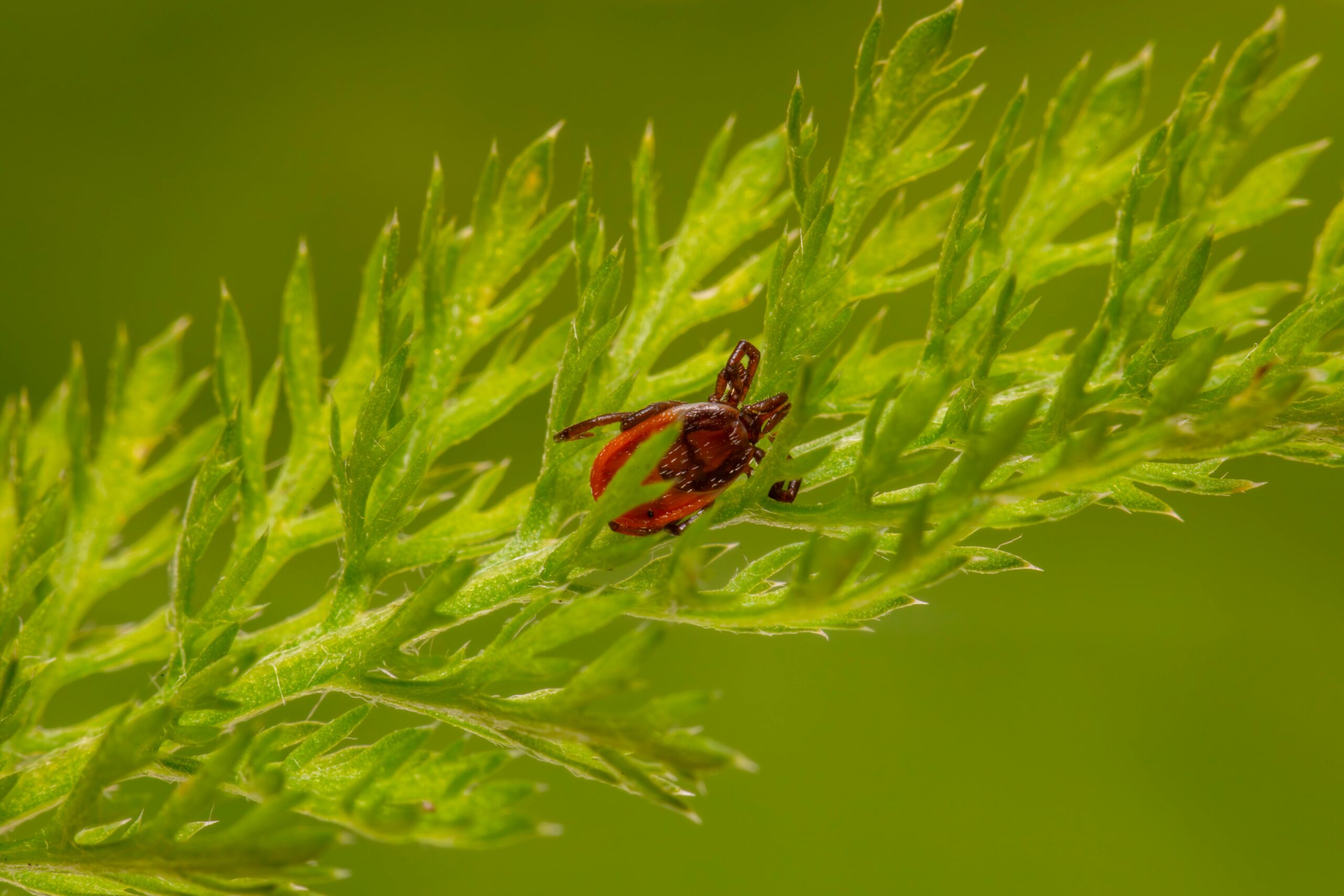
Quick Solutions for Eliminating Spider Mites
Spider mites are one of the most common and troublesome pests affecting both indoor and outdoor plants. They belong to the Tetranychidae family and are particularly notorious for their rapid reproduction rate and the significant damage they cause to plants. Managing and eliminating spider mites effectively is crucial for ensuring the health and beauty of your garden or houseplants. This article provides comprehensive strategies and answers common questions to help you control and eradicate these tiny nuisances.
Understanding Spider Mites
Before delving into eradication methods, it’s essential to understand what spider mites are and how they operate. Spider mites are tiny arachnids, often red or brown, sometimes green or yellow, depending on their type. They primarily feed on the underside of plant leaves by piercing plant cells and sucking out their contents. This feeding method can cause discoloration, yellowing, or even the death of leaves.
Recognizing the signs of spider mite damage early is key. Common indicators include tiny white or yellow spots on the leaves, fine silk webbing on the plant, and overall weakening of the plant. If left unchecked, a spider mite infestation can rapidly escalate due to their fast reproductive cycle, particularly in warm environments.
Natural and Organic Solutions
For those preferring eco-friendly options, several organic methods can effectively combat spider mite infestations:
Neem Oil
Neem oil is a natural pesticide found in the seeds of the neem tree and works as a great deterrent against spider mites. It interrupts the reproduction cycle of mites, thus preventing their population from expanding. Apply neem oil spray on the affected areas of the plant every few days until the mites are gone.
Essential Oils
Essential oils like peppermint, rosemary, and clove are effective against spider mites due to their strong scents and potent properties. Mix a few drops of any of these oils with water and a mild soap, then spray it on the infested plants. Repeat the application regularly to keep the mites at bay.
Diatomaceous Earth
Diatomaceous earth is a powder made from fossilized algae. When sprinkled on plants, it causes dehydration and death in spider mites by lacerating their exoskeletons. This method is non-toxic to plants but can be very effective in reducing mite populations.
Chemical Control Methods
If natural remedies are not sufficient to manage heavy infestations, chemical solutions might be necessary:
Miticides
Miticides are chemicals specifically designed to kill mites. When selecting a miticide, it’s crucial to choose one that is effective against spider mites and safe for your particular type of plant. Always follow the application instructions provided on the product label to prevent any harm to your plants.
Insecticidal Soaps
Insecticidal soaps contain salts and fatty acids that effectively kill spider mites by breaking down their outer layers. These soaps are safe for most plants and beneficial insects, making them a preferred choice for integrated pest management.
Mechanical and Cultural Control
Sometimes the best way to manage spider mites is by combining methods or changing the environmental conditions:
Water Sprays
High-pressure water jets can dislodge and remove spider mites from your plants. Regularly spraying your plants with water can also help reduce dust, which contributes to spider mite outbreaks.
Improving Plant Health
Strong, healthy plants are less likely to succumb to spider mite invasions. Ensure your plants are well-watered, properly fertilized, and in suitable environmental conditions. Reducing plant stress reduces the likelihood of pest problems.
Preventive Measures
To prevent future spider mite issues, consider these tips:
Regular Monitoring
Check your plants frequently for any signs of distress or mite activity. Early detection is crucial for preventing a full-blown infestation.
Quarantine New Plants
Always quarantine new plants before introducing them to your garden or home as they could be carriers of spider mites.
Maintain Cleanliness
Keeping your garden and indoor plant areas clean can significantly reduce the risk of spider mite problems. Remove leaf litter and debris where mites could potentially hide and breed.
Conclusion
Effective management of spider mites requires a combination of monitoring, employing natural or chemical treatments, and maintaining plant health. With the right approach, you can keep spider mites away and enjoy a healthy, flourishing garden or collection of houseplants. Always remember to treat infestations as soon as they are detected, and use an integrated pest management strategy to tackle the problem from multiple angles.
By implementing these solutions and preventative measures, you can protect your plants from the damaging effects of spider mites and ensure their long-term health and beauty.