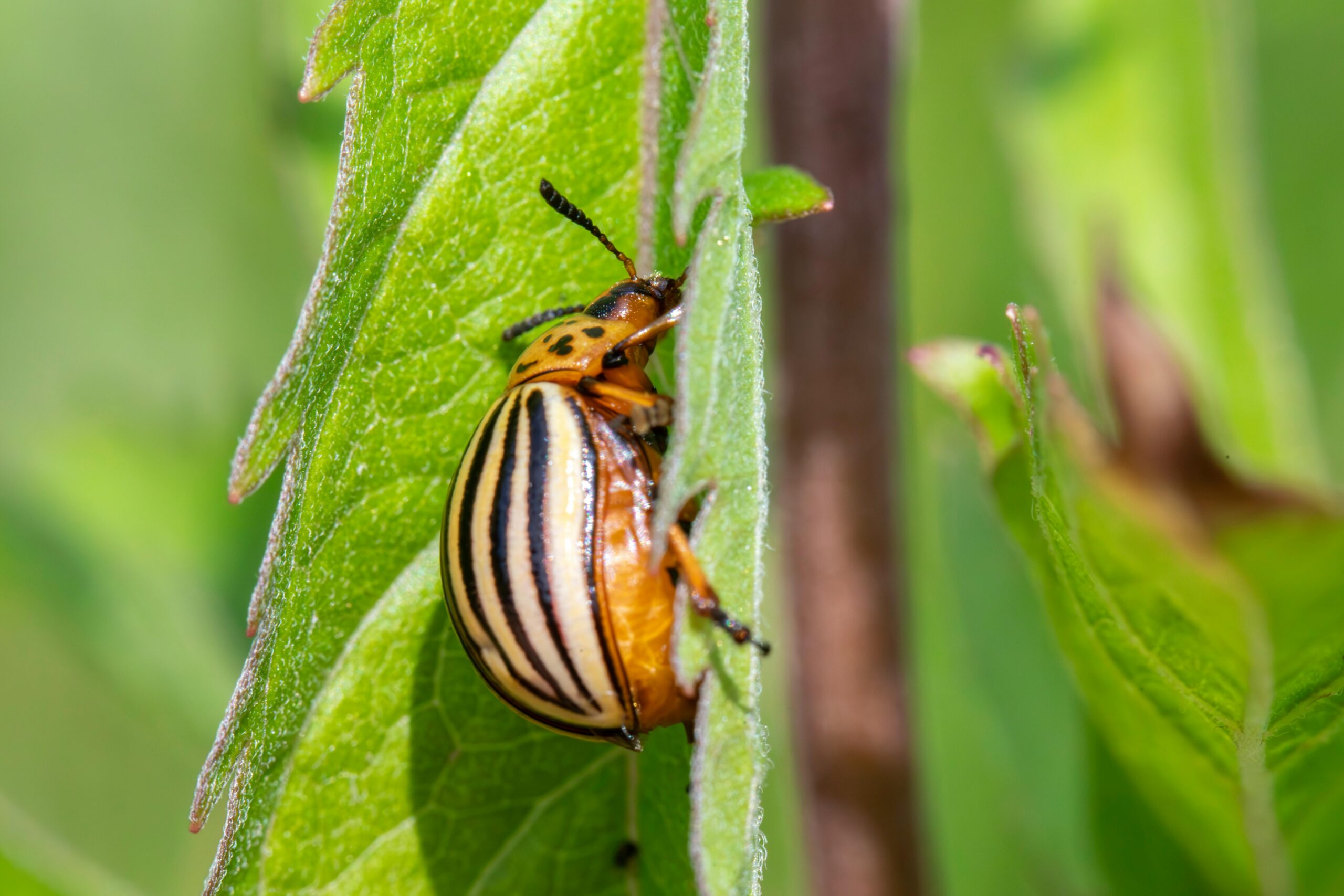
Unveiling the Mystery of Black Spots on Plant Leaves
For every gardening enthusiast, the sight of black spots on plant leaves can be a reason for concern. This common symptom could signal a variety of issues ranging from fungal infections, pests, or even cultural problems. Understanding what these black spots mean and how to effectively manage them is crucial to maintaining healthy and vibrant plants.
Identifying the Causes of Black Spots on Leaves
The first step in addressing black spots on the leaves of your plants is to identify the root cause. Among the most frequent culprits are fungal diseases such as black spot fungus, which predominantly affects roses but can appear on a wide variety of plants. Pest infestations, nutrient deficiencies, and environmental stresses can also manifest as black spots.
Fungal Diseases
Fungal diseases like black spot fungus (Diplocarpon rosae), leaf spot, and sooty mold often show up as black spots. These fungi thrive in wet, humid conditions, making plants in such environments particularly susceptible. Signs typically include irregular black spots, sometimes surrounded by a yellow halo, usually appearing first on lower leaves.
Pests
Some pests excrete honeydew, which can encourage the growth of sooty mold, leading to blackened foliage. Aphids, scale, and mealybugs are common culprits. Here, the black spots are actually fungal growth on the plant sap residue left by these insects.
Nutrient Deficiencies and Environmental Stress
Nutrient deficiencies, particularly a lack of potassium, magnesium, or manganese, can cause leaf tissue to die off, which may appear as black spots. Similarly, environmental causes like frost, scorch from sun, chemical burns from pesticides or improper watering techniques can also result in blackened foliage.
Diagnosing Black Spots on Leaves
Accurate diagnosis is key to effectively managing black spots on plant leaves. Here are several steps to help you identify the exact cause:
- Examine the pattern and location: Fungal diseases often start on lower leaves and spread upwards. Pests are more random in their distribution.
- Check plant moisture: Excessive moisture and poor airflow facilitate fungal growth. Ensure plants are not left in overly damp conditions.
- Look for pests: Inspect the undersides of leaves and stems for signs of insects or the sticky residue they might leave behind.
- Assess environmental factors: Consider recent weather conditions, watering habits, and sun exposure to determine if these could be factors.
Prevention and Treatment of Black Spots
Once diagnosed, treating black spots on plant leaves involves both cultural practices and, when necessary, chemical interventions.
Cultural Practices
Improving plant care is the first step in prevention and treatment:
- Optimize Watering Practices: Water your plants early in the morning to allow the foliage to dry throughout the day and reduce the likelihood of fungal infections.
- Proper Spacing: Ensure adequate air circulation by spacing plants properly and pruning dense foliage.
- Cleanliness: Regularly remove fallen debris and affected leaves to minimize the spread of spores or pests.
Chemical Treatments
For severe infestations, fungicides may be necessary. Organic options include neem oil and potassium bicarbonate, which are effective against a range of fungal diseases and pests. In chemical treatments, products containing chlorothalonil or myclobutanil can be used as a last resort, following the manufacturer’s directions carefully to avoid damaging the plant.
FAQs About Black Spots on Plant Leaves
Can black spots spread to other plants?
Yes, particularly if caused by fungus or pests. It’s important to isolate affected plants to prevent widespread infestation.
Are chemical treatments safe for all plants?
Most are safe when used as directed, but always test a small area first and read the label for specific warnings related to certain plant species.
Can black spots clear up on their own?
Without proper treatment, black spots usually persist or worsen. Effective management involves understanding the underlying cause and addressing it promptly.
How can I improve the resistance of my plants to black spots?
Choosing disease-resistant plant varieties and improving cultural practices related to watering, air circulation, and hygiene can greatly enhance plant health and resistance to black spots.
Conclusion
Black spots on plant leaves are a common issue that can detract from the health and beauty of your garden. Accurately diagnosing the cause of the black spots is essential to implementing effective treatment strategies. With these insights and proactive measures, you can ensure that your plants remain robust and flourishing, providing a lush, vibrant addition to your gardening landscape.
Remember, healthy plants start with knowledgeable care and a watchful eye for the first signs of distress. By taking swift action, you can manage any issue — including the mysterious black spots — and enjoy a thriving garden for seasons to come.