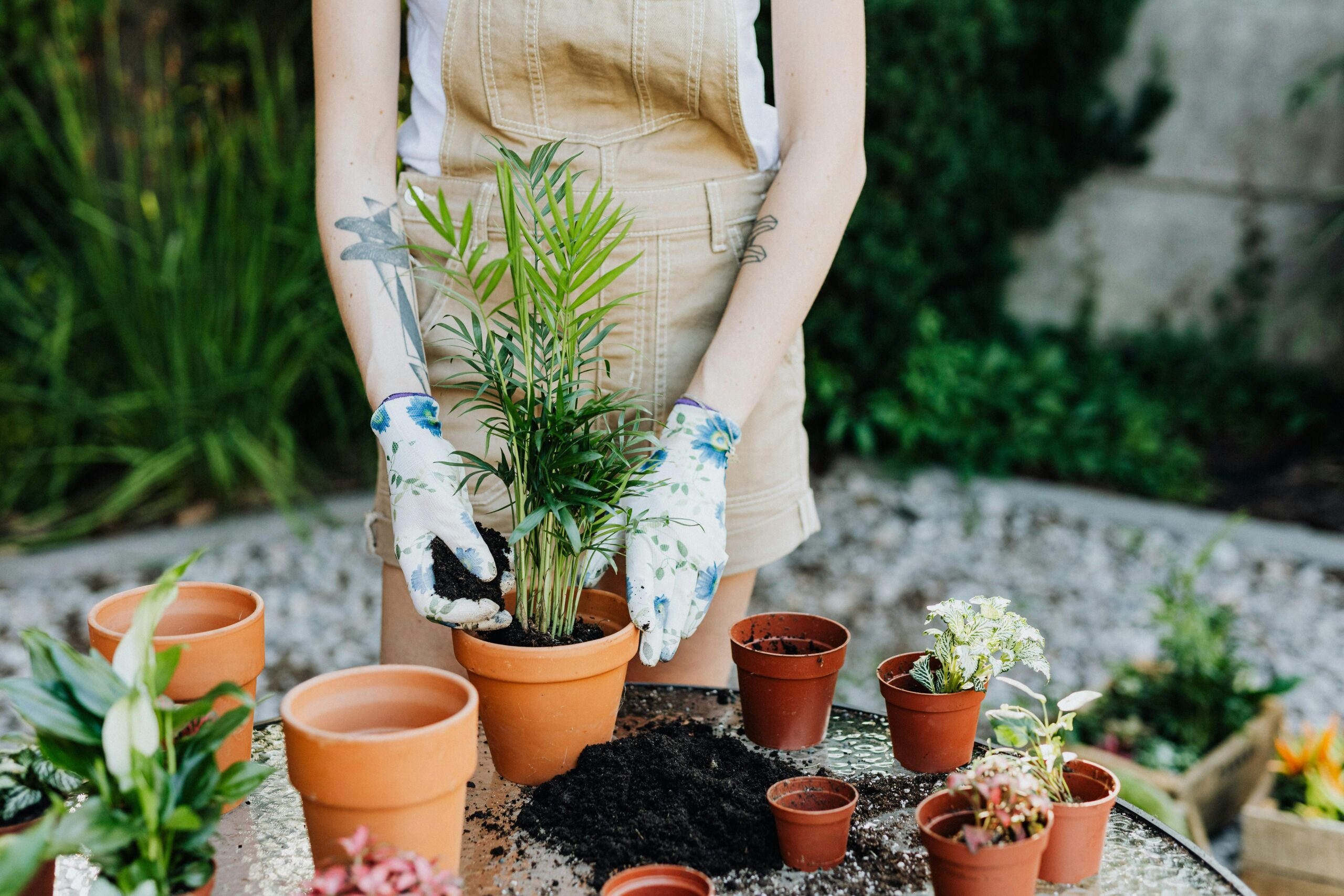
Why Your Garden Plants Are Dying: Causes and Solutions
Gardening can be a rewarding hobby and an excellent way to beautify your home environment. However, it can also be frustrating when your garden plants start wilting, yellowing, or dying. Understanding the root causes of these issues is crucial to reviving your garden and keeping it vibrant. This article explores common reasons why garden plants struggle and offers practical solutions to help you turn things around.
Introduction to Common Problems in Garden Health
From inadequate watering practices to pest attacks, several factors can contribute to the declining health of your garden plants. By carefully assessing the symptoms and considering the overall growing conditions, you can pinpoint the problems and implement corrective measures.
1. Watering Issues
Too Little Water
Underwatering is a frequent cause of plant death, especially in hot and dry climates. Signs of underwatering include drooping leaves, dry soil, and brittle stems.
Solution:
Regularly check the soil moisture and establish a consistent watering schedule. During hot weather, you may need to water your plants more frequently. Using mulch can also help retain soil moisture.
Too Much Water
Overwatering is equally harmful. It leads to root rot, which is characterized by a foul smell from the soil, yellowing leaves, and stunted growth.
Solution:
Ensure your garden has proper drainage. Water your plants according to their specific needs, and always check the soil moisture before watering.
2. Soil Quality
Poor soil quality can deprive plants of essential nutrients, affecting their growth and vitality.
Solution:
Perform a soil test to determine the missing nutrients and pH level. Amend the soil with the appropriate fertilizers or organic matter like compost to enhance its fertility and structure.
3. Light Conditions
Incorrect lighting can severely impact plant health. Some plants require full sunlight, while others thrive in partial shade or indirect light.
Too Much Sunlight
Overexposure to sunlight can lead to scorched leaves and dehydration.
Solution:
Research your plants’ sunlight needs and consider relocating those that are not suited to intense sun exposure. Use shade cloths to protect sensitive plants during peak sunlight hours.
Insufficient Light
Lack of adequate light can cause plants to become leggy, weaken, and reduce flowering.
Solution:
If natural light is insufficient, you might need to supplement with grow lights, especially for indoor gardens. Pruning nearby trees or bushes can also increase sunlight penetration.
4. Temperature Extremes
Plants generally thrive within specific temperature ranges. Extreme cold or heat can be detrimental.
Solution:
Use protective covers or frost cloths to shield plants from cold snaps. During heat waves, ensure plants are well-hydrated and shaded as necessary.
5. Pests and Diseases
Pests and diseases can quickly turn a thriving garden into a dying one if not managed promptly.
Identifying Pests
Common garden pests include aphids, spider mites, and snails.
Solution:
Regularly inspect plants for signs of pests. Use appropriate organic pesticides or introduce beneficial insects like ladybugs.
Managing Diseases
Fungal infections, blights, and viral diseases are common afflictions.
Solution:
Remove and dispose of infected plant parts. Improve air circulation around the plants and avoid overhead watering to minimize moisture on foliage.
6. Improper Plant Selection
Choosing the wrong types of plants for your climate or soil type can lead to poor growth and death.
Solution:
Opt for native or adaptable species that are known to thrive in your area’s conditions. Consult local gardening experts or resources for the best plant choices.
Conclusion: Revitalizing Your Garden
A dying garden can often be revitalized with the right approach. Begin by diagnosing the issues affecting your plants, whether it’s watering habits, soil conditions, or pest problems. Implement the suggested solutions tailored to your specific situation.
By addressing these common gardening challenges, you can enhance the health and aesthetic appeal of your garden, making it a lush, inviting space. Remember, gardening is a continuous learning process where patience and persistence are key.
FAQ: Gardening Troubleshooting
Q: How often should I water my garden?
A: Water requirements vary by plant species and climate. It’s essential to learn the specific needs of your plants and monitor the soil moisture regularly.
Q: What should I do if my plants start turning yellow?
A: Yellow leaves can result from many factors including overwatering, nutritional deficiencies, or pests. Assess each factor carefully to determine the cause and treat accordingly.
Q: Can mulching help my garden?
A: Yes, mulching helps retain soil moisture, suppress weeds, and regulate soil temperature, all of which can contribute to healthier plants.