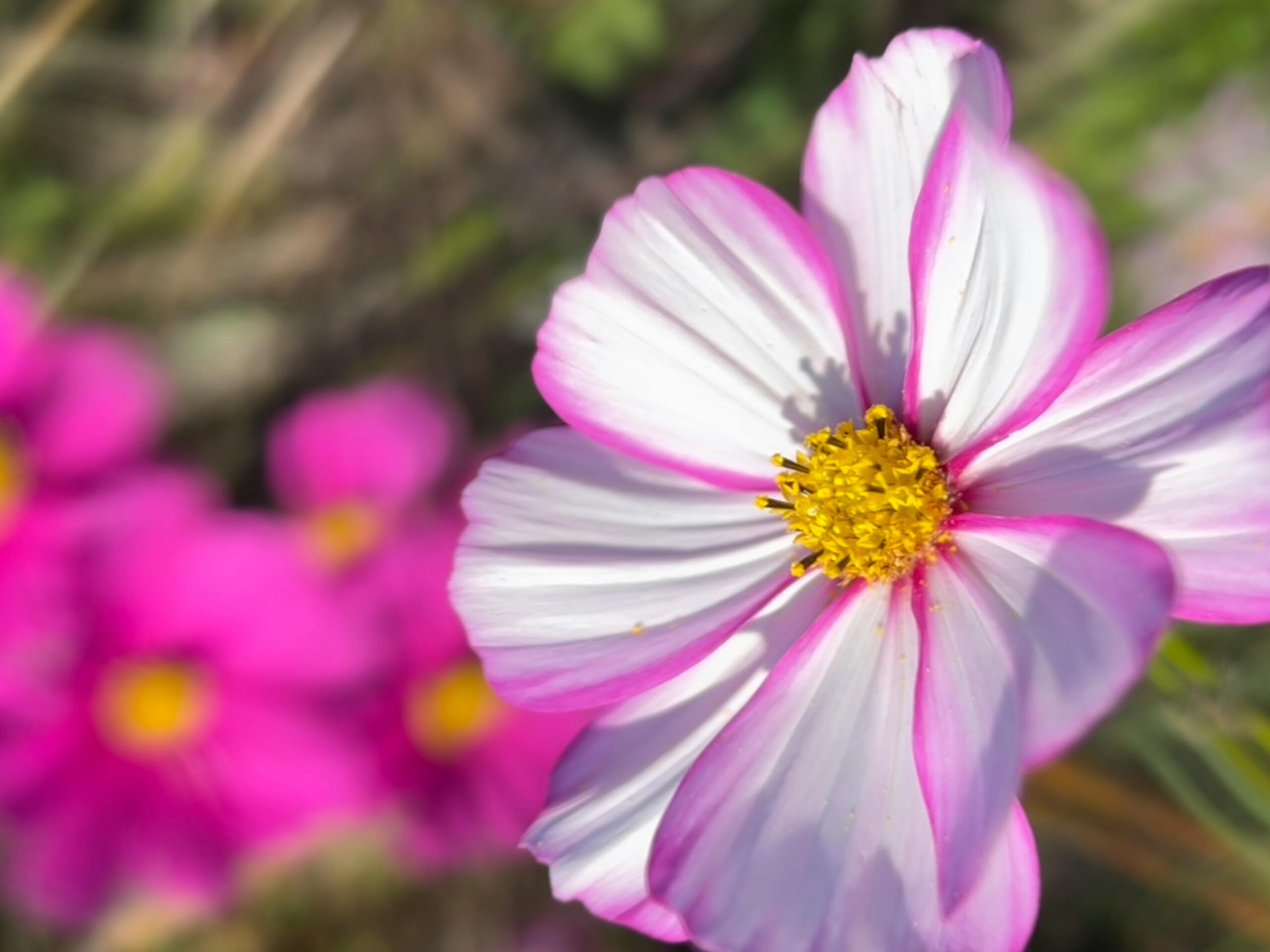
Essential Tips for Preparing Your Garden Soil
Preparing your garden soil is a key step in cultivating robust plant growth and a vibrant garden. Whether you’re new to gardening or a seasoned green thumb, knowing how to prepare your soil effectively can make a significant difference in the health and yield of your plants. In this comprehensive guide, we’ll explore essential tips to ensure your garden soil is primed and ready for planting, answering common questions and providing valuable insights to enhance your gardening success.
Understanding Your Soil Type
Before diving into soil preparation, it’s crucial to understand the type of soil you’re working with. Soil types range from sandy and gritty to clay-rich, each with unique properties affecting water retention, nutrient profile, and texture. Conducting a simple soil test can reveal your soil’s type and pH level, which are critical factors in choosing the right amendments and plants suited to your garden.
How to Test Your Soil
A basic soil test can be done using a home testing kit available at most garden centers. These kits usually provide insights into your soil’s pH and essential nutrient levels (like nitrogen, phosphorus, and potassium). For a more comprehensive analysis, consider sending a soil sample to a local extension service.
Amending Your Soil
Once you have a clear understanding of your soil type, the next step is amending the soil to create the optimal environment for your plants. Amending soil involves adding materials to improve its physical properties and nutrient content.
Organic Matter: The Key to Nutrient-Rich Soil
Incorporating organic matter is perhaps the most beneficial way to enhance soil fertility and structure. Compost, aged manure, leaf mold, and peat moss are excellent choices that gradually enrich the soil and improve its ability to hold water and nutrients. Apply a 2-4 inch layer of organic matter and till it into the top 6-12 inches of soil.
Improving Soil Drainage
Poor drainage can lead to waterlogged soil, which is detrimental to most plants. Improving your garden’s drainage can prevent root rot and other water-related issues.
Methods to Enhance Drainage
If you have clay soil, adding gritty substances such as coarse sand or crushed gravel can help break up the dense particles and improve water flow. Raised beds are another effective solution for drainage problems, as they allow water to distribute evenly and provide better aeration for plant roots.
Adjusting Soil pH
The pH level of your soil impacts plant health by affecting nutrient availability. Most garden plants thrive in slightly acidic to neutral soil (pH 6.0-7.0).
Correcting Acidic or Alkaline Soil
If your soil is too acidic, applying garden lime can raise the pH, making it more alkaline. Conversely, if your soil is too alkaline, incorporating sulfur can help lower the pH level. It’s important to follow the application rates provided on the product’s packaging to avoid over-correction.
Fertilizing Your Soil
Fertilizing is essential to supply your plants with the nutrients they need to grow strong and healthy. However, understanding when and how much to fertilize is crucial to avoid over-fertilization, which can be just as harmful as under-fertilization.
Choosing the Right Fertilizer
Select a fertilizer that matches the needs of your plants and soil condition. Slow-release or controlled-release fertilizers are excellent options as they provide a steady supply of nutrients over a longer period, reducing the risk of nutrient runoff and providing a more sustainable approach to gardening.
Maintaining Soil Health
Regular maintenance of your garden soil is important to sustain its health and productivity. Seasonal testing, timely amendments, and appropriate fertilization all play a part in keeping your garden flourishing year after year.
Annual Soil Check-Ups
Conducting annual soil tests can help you track changes in your soil’s condition and adapt your gardening practices accordingly. Monitoring changes in soil structure, nutrient levels, and pH can guide you in making informed decisions about additional amendments and fertilization needs.
Conclusion
Preparing and maintaining garden soil may require some effort, but it is undoubtedly worth it. By understanding your soil type, amending appropriately, improving drainage, adjusting pH, and choosing suitable fertilizers, you can enhance soil health dramatically. Remember, a garden is only as good as its soil, so invest the time and resources in soil preparation for a thriving garden that will reward you with bountiful flowers and vegetables.
Follow these tips, stay consistent with your practices, and soon enough, you’ll be enjoying the fruits (and vegetables) of your labor in a lush, flourishing garden!