Effortless Gardening: Essential Tips for Home Beginners
Gardening is a rewarding hobby that not only beautifies your home but can also provide you with fresh produce or vibrant flowers. If you’re new to gardening, starting can feel overwhelming due to the myriad of information available. This comprehensive guide is designed to simplify the process, focusing on the basics of effortless gardening to help you cultivate a thriving garden with minimal fuss.
Understanding Your Environment
Before you begin your gardening journey, understanding your local environment is crucial. Different plants thrive under different conditions, and assessing your area’s climate, soil type, and the amount of sunlight your garden will receive daily is vital.
Climate Zones and Plant Hardiness
Knowing your climate zone helps you select plants that are best suited to your region’s specific conditions. The USDA Plant Hardiness Zone Map is a useful tool that can guide you in choosing plants that will thrive in your local climate.
Soil Quality and Improvement Techniques
The type of soil in your garden affects water retention, nutrient availability, and how well your plants grow. Conduct a soil test to determine its type and nutrient levels. Enhance poor soil by adding compost or organic matter, which will enrich your soil and provide a better growing medium for your plants.
Selecting the Right Plants
Choosing the right plants is key to minimizing effort and maximizing success in your garden. Opt for native plants or those well-adapted to your region’s growing conditions as they require less water, fertilizer, and maintenance.
Easy-to-Grow Plants for Beginners
For beginners, some plants are particularly forgiving and require minimal care. Consider starting with these easy-to-grow options:
- Vegetables: Tomatoes, cucumbers, and bell peppers
- Herbs: Basil, mint, and chives
- Flowers: Sunflowers, marigolds, and pansies
Basic Gardening Tools and Supplies
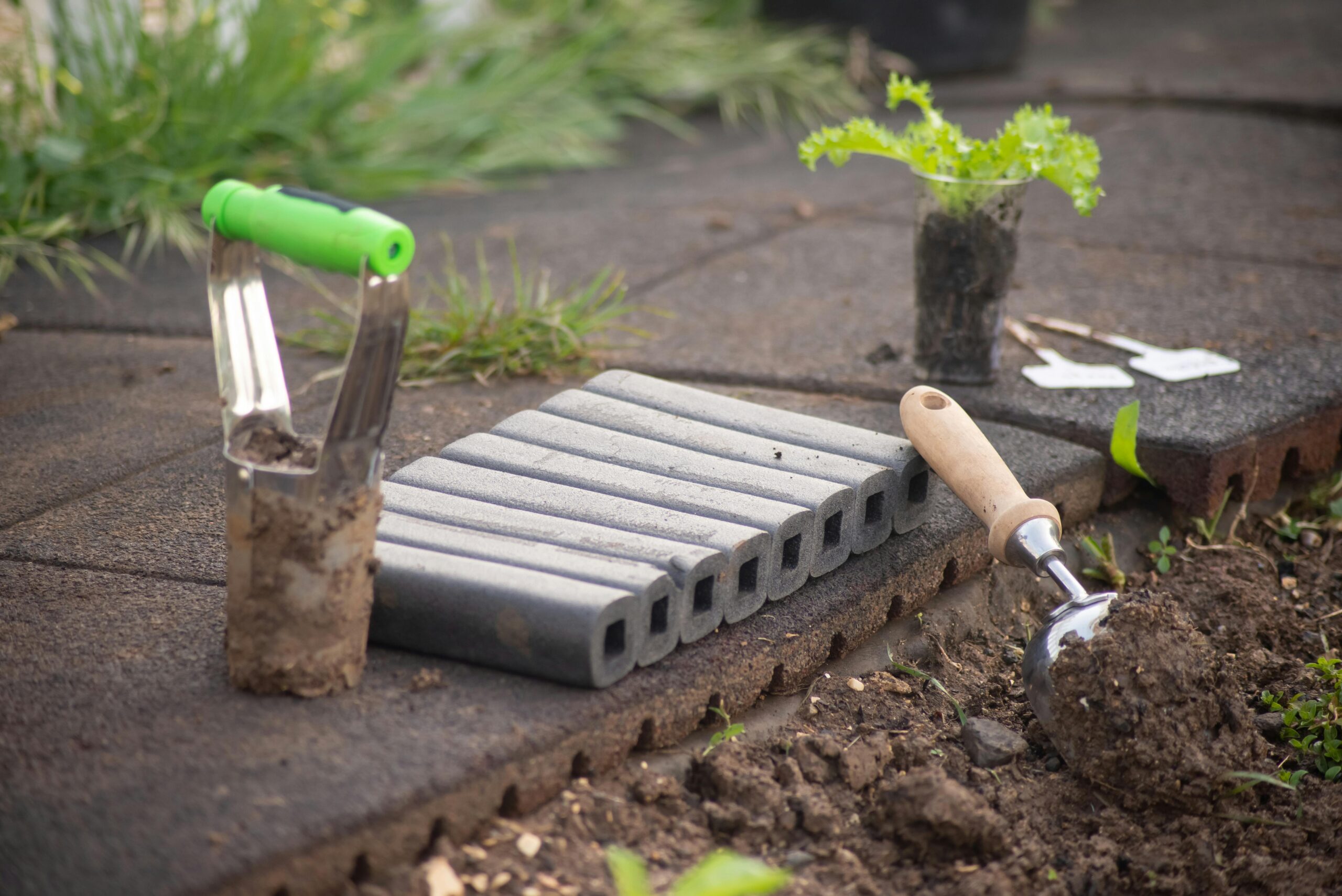
Having the right tools can make gardening much easier and more enjoyable. Here’s a list of basic gardening tools that every beginner should consider:
- Gardening gloves: Protects your hands while digging or handling prickly plants
- Spade and trowel: Essential for digging and planting
- Watering can or hose: Ensures your plants get adequate water
- Pruning shears: Helps keep plants healthy by removing dead or overgrown branches
Planting and Maintenance Strategies
Proper planting and maintenance are crucial for a thriving garden. Here are some strategies to help you keep your garden looking its best with minimal effort:
Proper Plant Spacing
Give your plants ample space to grow. Proper spacing reduces competition for light, water, and nutrients and minimizes the risk of disease by improving air circulation around the plants.
Watering and Feeding
Water your plants regularly, especially during dry spells. However, overwatering can lead to root rot and other issues, so ensure you understand the water needs of your plants. Similarly, while fertilizer can promote plant growth, excessive use can harm your plants and the environment. Use organic fertilizers sparingly according to the needs of specific plants.
Weed Management
Weeds can quickly overtake a garden, sapping nutrients and water away from your plants. Mulching your garden not only helps retain soil moisture and regulate temperature but also suppresses weeds. Use organic mulch like bark or straw for the best results.
Common Gardening Challenges and Solutions
Even the most well-maintained gardens encounter challenges. Here are a few common issues with straightforward solutions:
Dealing with Pests
Pests can be a significant problem in any garden. Opt for natural pest control methods like encouraging beneficial insects (ladybugs, bees), using neem oil, or employing barriers such as row covers.
Battling Diseases
Plant diseases can thrive under certain conditions. Prevent disease by choosing disease-resistant plant varieties, rotating your crops each year, and avoiding overcrowding. If you notice diseased plants, remove and destroy them to prevent further spread.
Handling Harsh Weather
Sudden weather changes can stress plants. Provide shelters such as cloches or row covers during unexpected frosts or excessively hot, sunny days to protect your plants.
Conclusion
Gardening should be enjoyable, not stressful. By following these tips and integrating them into your gardening practices, you’ll find that maintaining a beautiful garden doesn’t have to be a daunting task. Whether you’re cultivating flowers, herbs, or vegetables, starting simple and gradually expanding your knowledge and garden area can lead to a rewarding gardening experience that brightens your home and lifts your spirits.
Remember, every gardener was once a beginner, and patience is key. Happy gardening!