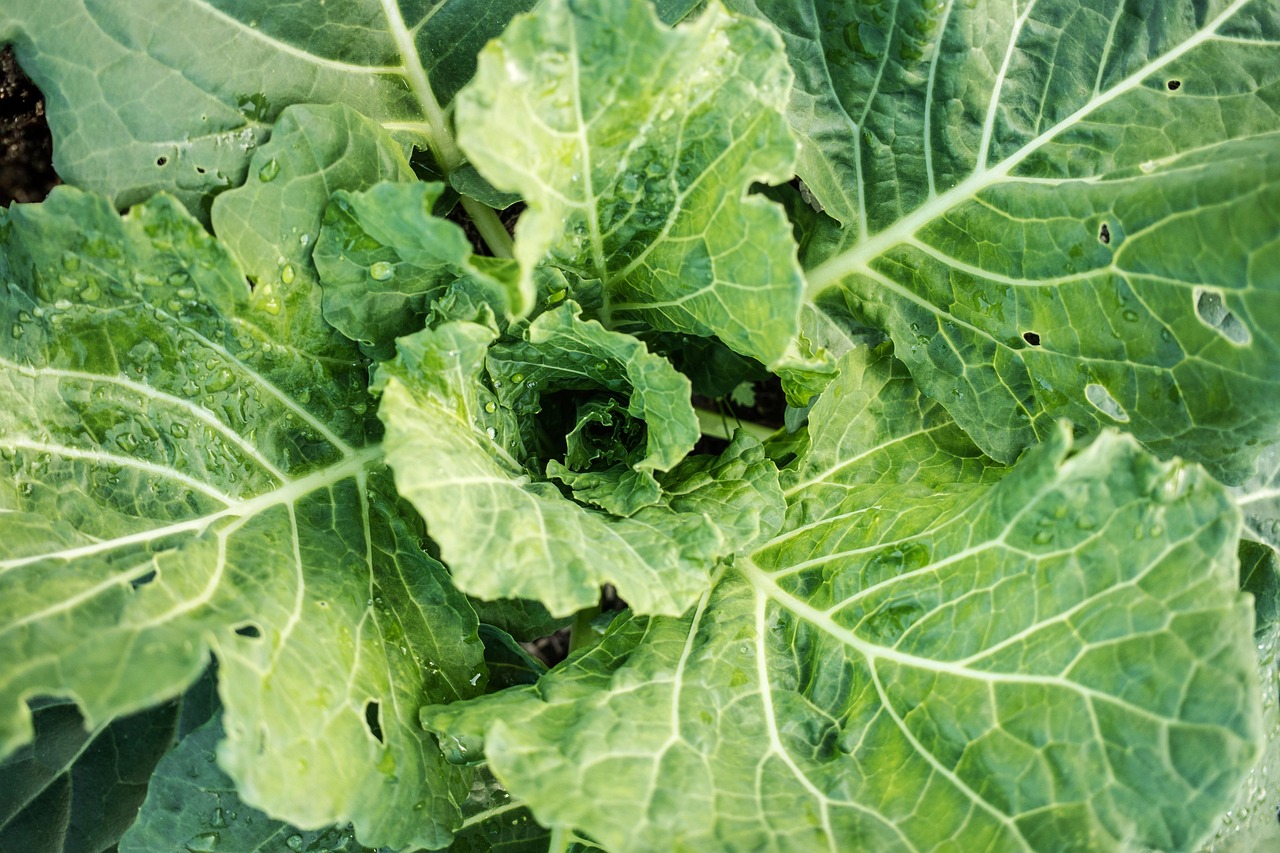
DIY Pest-Busting Sprays: Effective and Natural Solutions for Healthy Plants
Managing pests in your garden doesn’t have to involve harsh chemicals that can harm your plants and the environment. Natural and homemade pest control solutions are gaining popularity among gardeners and plant enthusiasts who are turning to safer, more sustainable practices to keep their plants healthy and pest-free. Below, explore a guide filled with tips and recipes for creating your own DIY pest-busting sprays that are both effective and environmentally friendly.
Understanding the Benefits of Natural Pest Control
Before diving into specific recipes, it’s important to recognize the benefits of using natural pest control methods. Chemical pesticides are not only harmful to insects but can also pose risks to pets, children, and the biodiversity of your garden. Conversely, natural solutions reduce these risks and help maintain ecological balance. Additionally, DIY pest control sprays are a cost-effective option, as they usually involve ingredients you may already have at home.
Common Ingredients in DIY Pest Control Sprays
Many ingredients used in homemade pest deterrents are staples in the average kitchen. Here are some commonly used components:
- Garlic: Known for its potent scent and properties that repel insects.
- Onions: Similar to garlic, onions are excellent for keeping pests at bay.
- Chili peppers: The capsaicin in peppers deters a variety of insects and animals.
- Vinegar: Its strong aroma and acidic nature make vinegar a great insect repellent.
- Essential oils: Oils like peppermint, neem, and citronella are not only pleasant for humans but are also effective pest repellents.
- Soap: Mild dish soap helps in suffocating pests when mixed with other ingredients in a spray solution.
Recipes for DIY Pest-Busting Sprays
Here are some proven recipes that you can create with ease to maintain the health of your plants:
1. Garlic and Chili Pepper Spray
This powerful combination works effectively against a range of common garden pests. To make it:
- Blend two whole garlic bulbs and a handful of chili peppers in a blender.
- Add a liter of water and strain the mixture into a clean spray bottle.
- Add a teaspoon of liquid soap to help the mixture adhere to plant leaves.
- Shake well and spray directly on the affected areas of the plant.
Bear in mind to apply it during cooler parts of the day to avoid burning the plants.
2. Vinegar-Based Insect Repellent
Vinegar can act as an herbicide, so it’s important to dilute it properly. For a pest spray:
- Mix one part vinegar with three parts water.
- Add a spoonful of liquid soap to enhance stickiness.
- Transfer to a spray bottle and apply to the bases of plants, avoiding direct contact with leaves.
It’s best used to protect plant bases and soil rather than foliage.
3. Neem Oil Spray
Neem oil is celebrated for its effectiveness in combating various types of garden pests and diseases. Here’s how to use it:
- Mix two teaspoons of neem oil with a liter of water and a few drops of liquid dish soap.
- Shake the mixture well and spray generously on the plant leaves. Be thorough, covering undersides where pests often reside.
Neem oil is best applied in the evening to avoid sunlight affecting its potency.
Tips for Applying Homemade Pest Sprays
Using your DIY sprays effectively is crucial for getting the best results. Here are some tips:
- Test on a small area: Before applying broadly, test the spray on a small leaf section to monitor any adverse reactions.
- Apply regularly: Natural sprays often require frequent application, especially after rain or watering.
- Focus on affected areas: While preventive spraying is good, focus your attention on visibly affected areas to minimize pest damage.
- Avoid hot days: Spray in early morning or late evening to reduce leaf burn and ensure the effectiveness of your spray.
Conclusion
Creating your own DIY pest-busting sprays offers a safe and sustainable approach to managing garden pests. By using simple ingredients like garlic, vinegar, and neem oil, you can protect your plants without relying on harmful chemicals. Remember that consistency and proper application are key to seeing effective results. Embrace these natural solutions and enjoy a healthier garden and a safer environment.