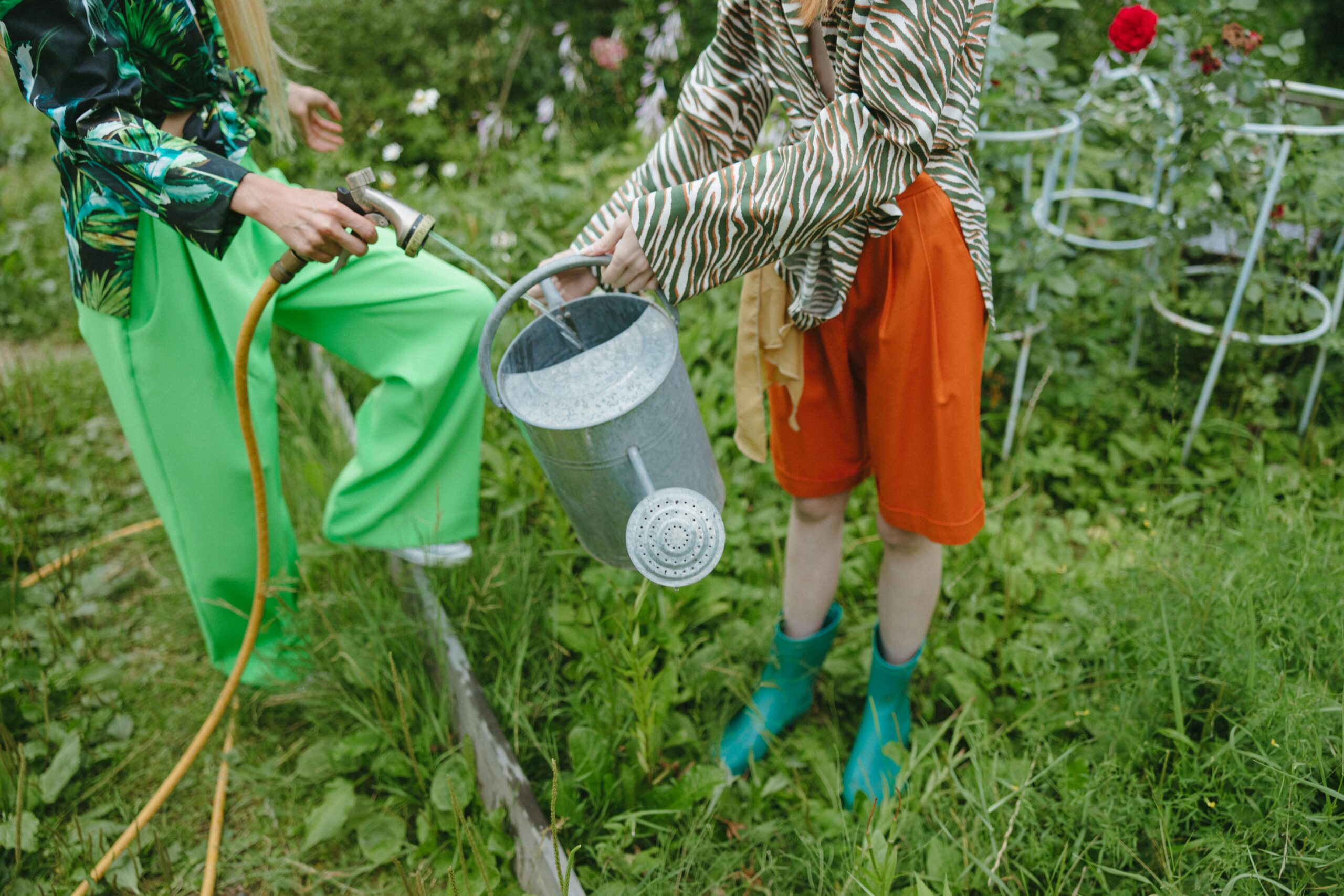
Unlocking Natural Growth: Simple Secrets for Enhancing Your Garden’s Health
Every gardener dreams of a lush, vibrant garden that thrives all season long. Achieving this, however, involves more than just occasional watering and weeding. Optimizing your garden’s health naturally is key to promoting robust growth and yield. In this comprehensive guide, we’ll explore some simple yet effective strategies for enhancing your garden’s ecosystem, ensuring your plants get the best environment to flourish naturally.
Understanding Soil Health
The foundation of every great garden is its soil. Soil health directly impacts plant growth and resilience. To improve your garden’s soil:
- Test Soil Regularity: Regular testing helps you understand the nutrients and pH levels of your soil, letting you tailor your gardening practices accordingly.
- Amend the Soil: Based on the test results, amend your soil with organic compost, manure, or other organic matter. This will improve soil structure, aeration, and nutrient content.
- Avoid Chemicals: To maintain a natural balance, opt for organic or natural fertilizers over chemical ones, which can damage soil health over time.
Choosing the Right Plants
Selecting the right plants is crucial for a healthy garden. Consider these tips:
- Go Native: Native plants are adapted to your local climate and soil, which means they require less water, fertilizers, and pesticides.
- Plant Diversity: Diverse plantings not only enhance the visual appeal but also support a healthier ecosystem by attracting beneficial insects and reducing pest outbreaks.
- Seasonal Planning: Choose plants that will thrive in your garden’s specific micro-climates through different seasons, ensuring year-round growth and bloom.
Watering Wisely
Efficient watering practices are essential for plant health and water conservation. Here are some efficient watering tips:
- Early Morning Watering: Watering in the early morning reduces evaporation and helps prevent fungal diseases.
- Drip Irrigation: Installing a drip irrigation system can dramatically reduce water wastage and ensure that water reaches the plant roots where it’s needed most.
- Mulching: Apply a layer of organic mulch around your plants. This helps retain moisture, suppress weeds, and add nutrients back into the soil.
Encouraging Beneficial Wildlife
Your garden is an ecosystem that can benefit immensely from local wildlife. To attract beneficial insects and birds, consider these strategies:
- Plant Pollinator-Friendly Flowers: Flowers like lavender, salvia, and marigold attract pollinators like bees and butterflies, which are crucial for pollination.
- Install Bird Feeders and Baths: These attract birds, which help control the population of harmful pests and provide natural fertilization.
- Leave Some Wild Corners: Untamed sections provide shelter for beneficial insects and contribute to biodiversity.
Practicing Sustainable Gardening Techniques
Implementing sustainable practices is not only good for your garden but also for the environment. Here are some techniques to consider:
- Crop Rotation: Rotating your crops can prevent depleting the soil of specific nutrients and disrupt the cycle of pests and diseases.
- Integrated Pest Management (IPM): IPM focuses on long-term prevention of pests or their damage through a combination of techniques such as biological control, habitat manipulation, and use of resistant varieties.
- Use of Organic Pesticides: When pest control is necessary, opt for organic and natural remedies rather than chemical pesticides.
Frequently Asked Questions
How often should I test my garden soil?
Ideally, soil should be tested every 1-2 years. This helps in adjusting garden management practices and fertilizer applications for optimal plant growth.
What is the best way to water my garden to save water but still ensure my plants get enough moisture?
Using a drip irrigation system along with mulching proves most efficient. This method ensures that water is slowly delivered directly to the soil, reducing waste and evaporation.
Are native plants always better for my garden?
While native plants are easier to care for due to their adaptation to the local environment, diversity in planting can also yield beneficial results in terms of beauty and ecological balance.
Conclusion
Enhancing your garden’s health naturally is not just about making your garden look beautiful—it’s about creating a thriving, sustainable environment that supports local wildlife and conserves resources. By understanding and improving soil health, choosing the right plants, watering wisely, encouraging beneficial wildlife, and employing sustainable practices, you can unlock your garden’s true potential. Embrace these simple secrets, and watch as your garden transforms into a vibrant ecosystem teeming with life.