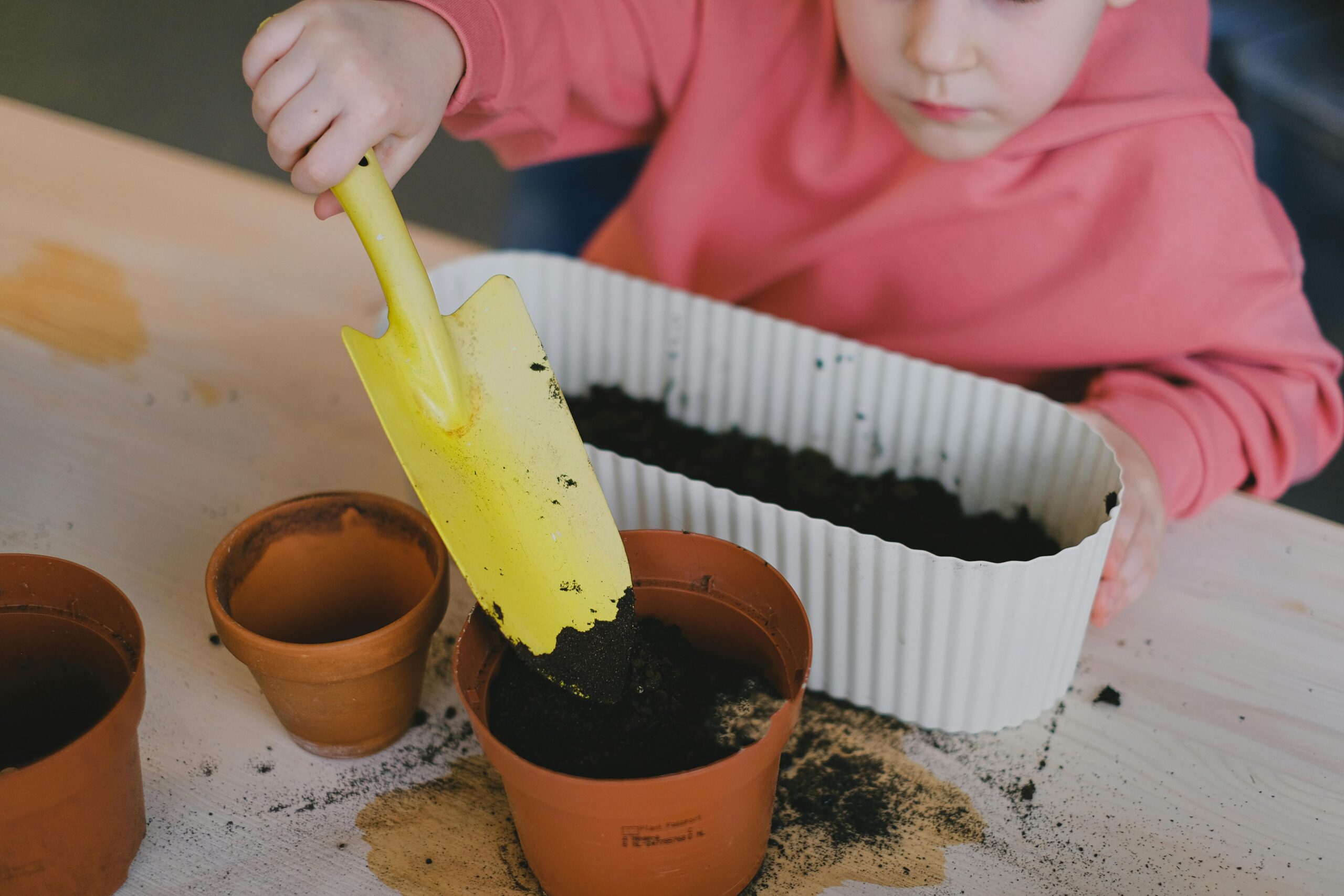
Essentials of Daily Plant Care for Beginners: Watering
For novice gardeners, understanding the fundamentals of plant care can transform a daunting task into a delightful hobby. One of the most critical aspects that impact the health and growth of your plants is proper watering. This comprehensive guide will delve into the essentials of watering, offer tips for beginners, and tackle common queries to ensure your plant thrives.
Understanding the Importance of Proper Watering
Water is crucial for plants as it plays a significant role in photosynthesis, and aids in the transport of nutrients and minerals from the soil. However, the amount and frequency of watering can make or break plant health. Overwatering and underwatering can lead to symptoms such as wilting, leaf yellowing, and stunted growth. Thus, mastering the art of watering isn’t just about quantity but also about timing and technique.
How Much Water Do Plants Need?
The water requirements for plants can vary widely based on several factors including species, soil type, climate, and season. Most houseplants prefer soil that is moist, but not waterlogged. Typically, watering once a week is adequate. However, you should always check the top inch of the soil with your finger; if it feels dry, your plant likely needs water.
The Best Time to Water Plants
Time of day is vital in watering practices. Early morning is generally the best time to water outdoor plants. This timing allows the water to run down into the soil and reach the roots before the sun is harsh enough to cause evaporation. For indoor plants, timing is less crucial, but consistency is key to ensure they’re not stressed by a fluctuating routine.
Choosing the Right Watering Tools and Techniques
The right tool can make a significant difference. Outdoor gardeners can benefit from a watering can or a garden hose with a spray attachment that mimics gentle rainfall. Indoor plants, on the other hand, are often best watered with a long-spout watering can that allows for precision and control, minimizing spillage and ensuring soil isn’t washed out.
For both indoor and outdoor plants, deep watering at less frequent intervals encourages deeper root growth, which helps plants become more resilient and self-sustaining. Techniques such as watering at the base rather than overhead also prevent issues like fungal diseases which can thrive on wet foliage.
Understanding Different Plant Watering Needs
Different plants require different watering strategies. Succulents and cacti, known for their ability to store water, typically need less frequent watering compared to thirstier species like ferns. It is important to research your specific plant species or consult with a local garden center to determine the exact needs of your plant.
Indicator Species for Watering
When setting up a plant collection, beginners might consider including “indicator” plants like spider plants or peace lilies. These species typically show signs of needing water (such as drooping) before others. They can serve as a practical alert to check the moisture levels of all your plants.
Troubleshooting Common Watering Issues
Common issues such as overwatering or underwatering can manifest as wilting, yellow leaves, soft rotting spots, or dry, crispy edges. If you notice these symptoms, reassess your watering habits. Additionally, ensuring good drainage is critical; always choose pots with drainage holes and consider the type of soil, as some are more water-retentive than others.
FAQs in Plant Watering
How can I tell if I’m overwatering my plants?
Signs of overwatering include leaves with brown, soft patches, and a general lack of firmness or luster. You might also notice a musty smell indicating root rot, stemming from too much moisture around the roots.
Should I use cold or warm water for my plants?
Room temperature water is ideal as cold water can shock the plants’ roots and slow down their metabolic processes.
How do I adjust watering in different seasons?
During warmer months or growing seasons, plants typically need more water. Conversely, during winter, water less frequently as the plant’s growth slows down and excess water can promote root disease.
Conclusion: Mastering the Art of Watering
Mastering the nuances of plant watering can significantly enhance your gardening success and enjoyment. Remember, each plant has unique needs, and embracing these needs with the right knowledge and tools can ensure your plants not only survive but thrive. Happy gardening!