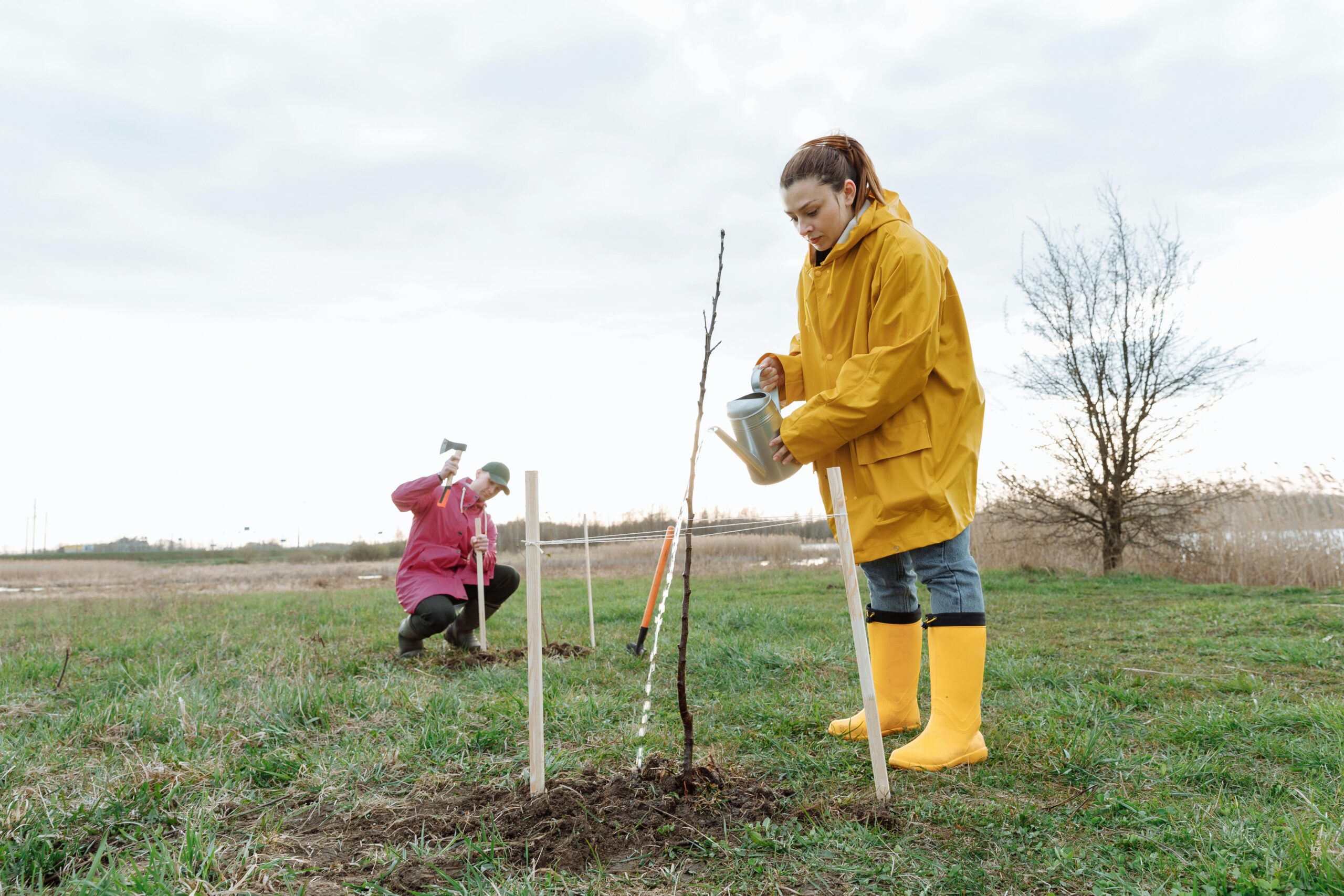
Mastering Indoor Plant Watering: A Step-By-Step Guide to Hydration Success
Watering indoor plants seems simple, yet it’s often a source of perplexity for many plant lovers. Mastering the art of proper plant hydration is essential to ensure your green companions not only survive but thrive within your living or workspace. In this comprehensive guide, we will explore techniques, debunk myths, and provide you with a step-by-step approach to optimal plant watering practices.
Understanding Plant Water Needs
The first step in mastering indoor plant watering is understanding that each plant has unique hydration requirements. Factors that influence these needs include plant species, the size of the plant, the environmental conditions, and the type of soil or potting mix used. For example, succulents require less water compared to tropical plants like ferns or peace lilies.
Assessing Your Plant’s Water Requirements
- Research your plant: Start by researching the specific water needs of your plants. Information can typically be found on the care tags that come with them or by a quick online search.
- Consider the environment: Environmental factors such as light, temperature, and humidity play significant roles in how much water your plant will need.
- Soil type: The type of soil affects water retention. Sandy soils dry out quickly, while clay soils hold moisture longer.
Frequently Asked Questions About Watering Indoor Plants
How Often Should I Water My Indoor Plants?
There is no one-size-fits-all answer to this question. The frequency of watering will depend largely on the type of plant, the climatic conditions, and the current season. A general rule of thumb is to check the top inch of soil; if it’s dry to the touch, it’s likely time to water. Remember that over-watering is just as harmful as under-watering.
What Is the Best Time of Day to Water Plants?
Early morning is usually the best time to water indoor plants. This allows the water to reach deep into the roots before temperatures rise. Evening watering is feasible, but doing so can lead to excess moisture accumulation, which might encourage fungal growth.
Can Tap Water Harm My Indoor Plants?
Depending on your locale, tap water may contain minerals or chlorine that can be harmful to plants over time. If your plant’s leaves show signs of spotting or browning, try using filtered or distilled water.
Step-By-Step Watering Techniques
Checking Soil Moisture
Before watering, always check the soil moisture. You can do this by sticking your finger into the soil up to the first knuckle. If the soil feels dry, your plant needs water; if it feels damp, check back in a day or two.
Watering Amount and Frequency
The amount and frequency of watering will depend on the plant. Always water slowly, allowing the water to soak in and reach the roots rather than just wetting the surface. Avoid letting plants sit in water unless they are species that thrive in wet conditions, like papyrus or certain types of ferns.
Advanced Tips for Hydration Success
Adjusting Watering Based on Seasons
Plants generally require less water during the winter months when their growth slows down. During the spring and summer, when plants are actively growing, they will need more frequent watering.
The Role of Humidity
Many tropical indoor plants require high humidity levels. Using a humidity tray or spraying the leaves can supplement their moisture needs without over-watering the soil.
Monitoring Plant Health
Keep an eye on your plant’s overall health. Signs of under-watering include wilting and dry, crispy leaves, while signs of over-watering include soft, yellow leaves and rotting stems. Adjust your watering practices based on these signs.
Conclusion: Achieving Watering Wisdom
Effectively watering your indoor plants doesn’t have to be daunting. By understanding your plants’ specific needs, monitoring their health, and adjusting your watering techniques, you can ensure they remain healthy and vigorous. Remember, mastering the nuances of plant care is a continuous learning process that requires patience, observation, and a willingness to adapt.
With these insights and practices, your indoor garden will flourish, bringing lush greenery and vibrant energy into your home or office surroundings. Happy gardening!
Need more plant care tips? Don’t forget to check our other guides on light needs, fertilizer use, and common pests for a holistic approach to indoor gardening success!