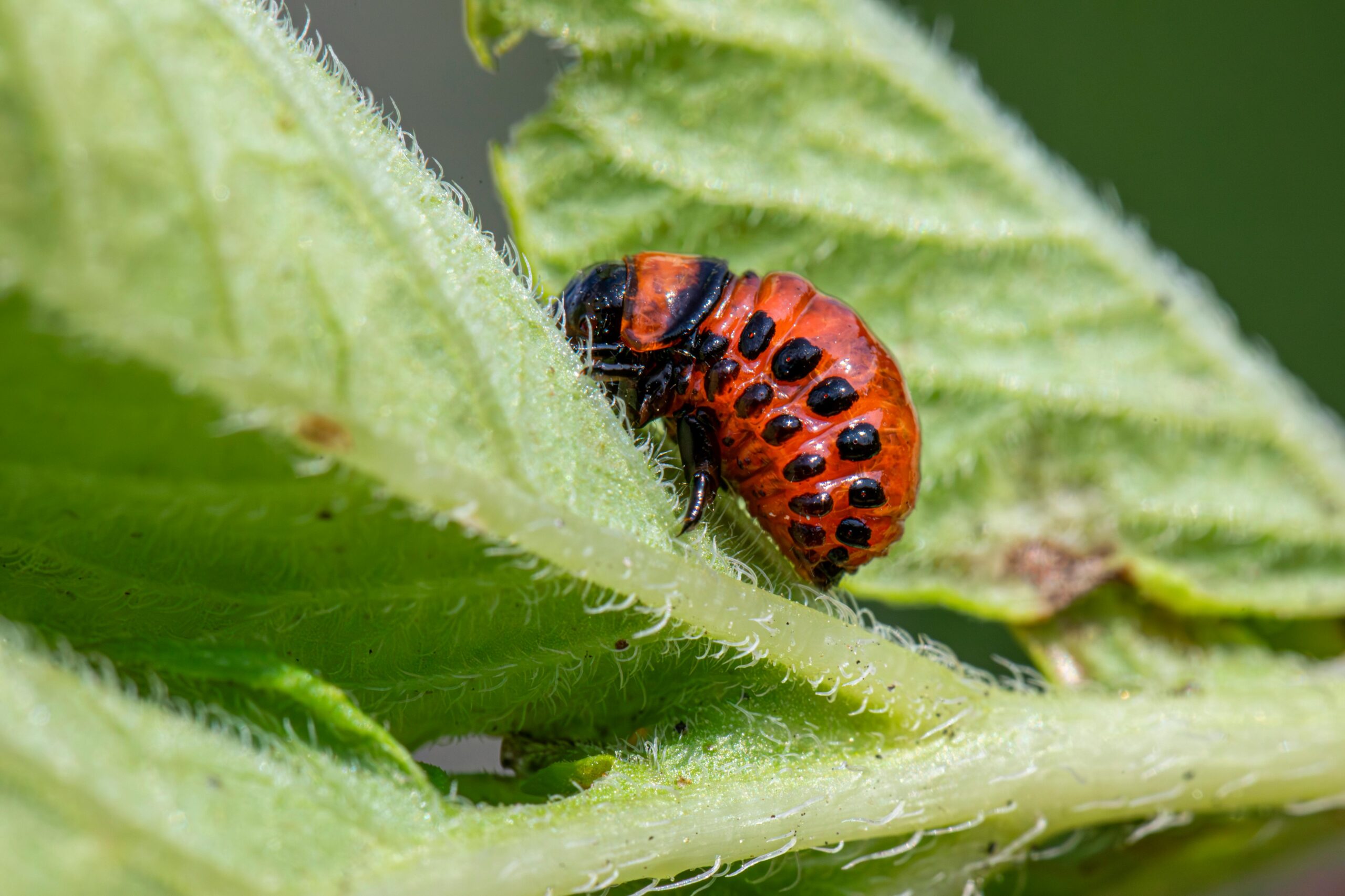
Proactive Garden Care: Secrets to Preventing Pests
Maintaining a vibrant garden is a rewarding endeavor, but it often comes with the challenge of dealing with garden pests. However, proactive steps can considerably reduce the presence of unwanted guests. This guide provides you with effective strategies for preventing pests in your garden, enhancing your garden’s health, and keeping it looking its best.
Understanding Pests and Their Impact
Pests can range from insects like aphids and beetles to larger animals like deer and rabbits, each with distinct impacts on garden health. Understanding the specific types of pests that are prevalent in your area can tailor your prevention strategies effectively. Early detection and identification help mitigate damage and simplify control measures.
1. Cultivate Healthy Soil
Healthy soil is foundational in proactive garden care. It supports plant health, making them less vulnerable to infections and infestations. Incorporate organic matter like compost or well-rotted manure regularly. This will not only enrich the soil but also promote beneficial microbes that compete with harmful pests. Consider having your soil tested to tailor the nutrient management to your specific garden needs, improving plant resilience against pests.
2. Choose Resistant Varieties
Investing in disease and pest-resistant plants can drastically reduce the prevalence of pests in your garden. Many hybrids and cultivars are specifically bred to be resistant to certain types of pests and diseases. Local extension services or experienced gardeners can recommend the best varieties for your area, thereby ensuring your garden thrives with minimal chemical intervention.
3. Implement Companion Planting
Companion planting involves strategically positioning plants that benefit each other by deterring pests or enhancing growth. For example, marigolds emit a smell that repels certain nematodes and beetles, while basil paired with tomatoes can help repel flies and mosquitoes. This method of natural pest control not only minimizes chemical use but also increases biodiversity in your garden.
4. Encourage Beneficial Insects
Not all insects are harmful; in fact, many are beneficial and can play a crucial role in natural pest management. Insects like ladybugs, lacewings, and predatory beetles prey on harmful pests such as aphids and caterpillars. Planting flowers such as daisies, sunflowers, and lavender can attract these beneficial insects, helping maintain the ecological balance in your garden.
5. Regular Monitoring and Proper Maintenance
Maintaining a regular check-up routine for your garden is vital to catch any pest issues before they escalate. Look for signs of distress such as discoloration, wilting, and unusual spots on leaves. Pruning diseased or infested branches and removing weakened plants promptly can prevent the spread of pests. Additionally, keep your garden tidy by clearing out debris and fallen leaves where pests might breed.
6. Use Barriers and Traps
Physical barriers can effectively keep certain pests away from your beloved plants. Floating row covers, nets, and even fences can prevent access by insects and small animals, respectively. Similarly, traps can be used to manage the population of pests like slugs and snails without resorting to chemicals.
7. Natural and Organic Pesticides
When prevention measures fall short, it might be necessary to consider treatments. Opt for natural or organic pesticides as a safer alternative to their chemical counterparts. Products containing neem oil, diatomaceous earth, or insecticidal soaps are effective against a variety of pests and are less harmful to the environment and non-target organisms. Always follow application guidelines to minimize any adverse effects.
Common Questions About Garden Pest Prevention
Q: How often should I check my garden for pests?
A: Regularly inspect your garden at least once a week, but more frequently during peak growing seasons or if you notice signs of pests.
Q: Can mulching help in pest prevention?
A: Yes, mulching helps regulate soil temperature, retain moisture, and inhibit weed growth, which in turn can reduce the habitat for pests.
Q: Are there any specific plants that attract beneficial insects?
A: Yes, plants like sweet alyssum, cosmos, and yarrow are great for attracting beneficial insects like bees and ladybugs to your garden.
Conclusion
Proactive garden care and implementing preventive measures against pests are crucial steps in maintaining a healthy garden. By focusing on soil health, choosing resistant plants, and encouraging ecological balance, gardeners can significantly reduce the impact of pests. Remember, the key to effective pest management is persistence and observation. Keep your garden thriving by staying one step ahead of potential pest problems.
Implementing these proactive strategies will not only reduce your reliance on chemical treatments but also contribute to a more sustainable and eco-friendly gardening approach, ensuring your garden remains a beautiful and serene haven for many years to come.