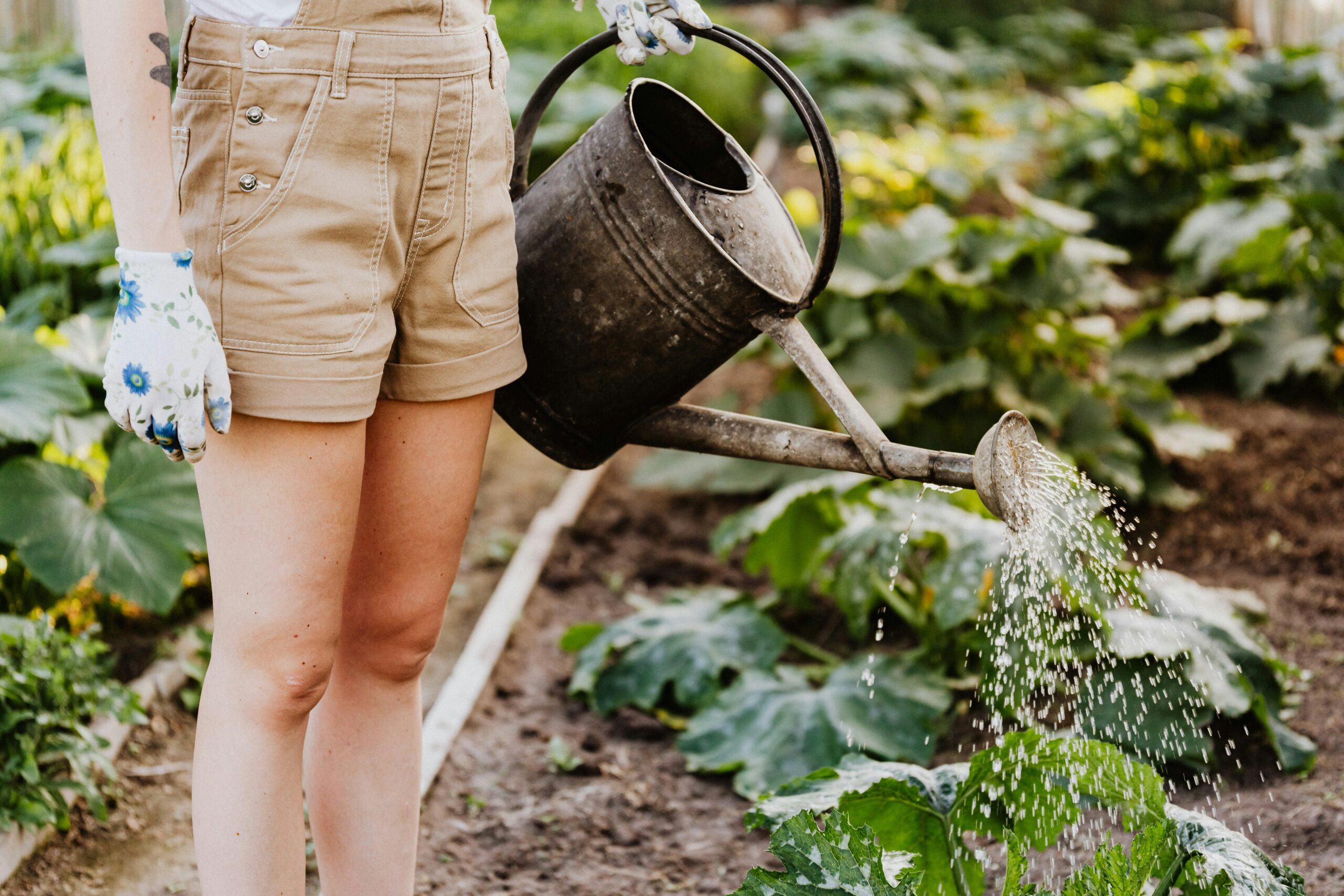
Unveiling the Mystery: Why Your Plant’s Soil Dries Out Quickly After Watering
Have you ever noticed how sometimes, no matter how diligently you water your plants, the soil seems to dry out faster than a desert under the midday sun? This common conundrum can leave even the most dedicated plant owners scratching their heads. Why does this happen, and what can you do to ensure your plants have a moist, nourishing environment to thrive in?
In this detailed exploration, we’ll dive into the reasons behind quick-drying plant soil, providing insights and solutions to help you maintain the ideal moisture level for healthy plant growth. Understanding these factors will not only enhance your gardening skills, but also ensure your green friends can flourish.
Understanding Soil Composition and Its Role in Water Retention
Before tackling the drying issue, it’s crucial to understand the composition of your plant’s soil. Soil texture and components play a significant role in water retention capabilities. For instance, sandy soil drains more quickly than clay or loam because of its large particles and loose structure. On the other hand, soil high in clay content holds water longer due to its tight particle composition.
Moreover, organic matter such as compost or peat moss can improve soil structure, increase nutrient content, and enhance moisture retention. Ensuring your soil has the right mix tailored to your plant’s needs is the first step in solving the drying out mystery.
Pot Size and Material Impact on Soil Dryness
The size and material of the plant pot also significantly affect how quickly soil dries. Small pots have less soil, which means they can’t hold much water. Conversely, oversized pots retain water, which can lead to other issues like root rot. Finding the right balance is key.
Materials can vary from breathable terracotta, which allows air and water to pass through its walls, thereby drying out soil faster, to plastic pots, which might retain too much moisture. Each material has its pros and cons depending on your environmental conditions and the type of plants you are cultivating.
Environmental Factors Contributing to Soil Dryness
Various environmental factors can influence how quickly your plant’s soil dries out. Indoor conditions such as air conditioning, heating, and low humidity can contribute to faster evaporation of soil moisture. Outdoor plants are influenced by wind, temperature, and sunlight, which can increase soil temperature and accelerate water loss.
Modifying these conditions using humidifiers, moving plants away from direct heat sources, or shading outdoor plants can help manage the rate at which your soil loses water.
Watering Techniques and Their Effects on Soil Moisture
How you water your plants plays a pivotal role in the moisture content of the soil. Overhead watering might not adequately reach the roots, whereas deep watering encourages roots to grow downward and strengthens the plant. It’s also important to consider the time of day for watering, as early morning or late afternoon reduces evaporation compared to the midday sun.
Additionally, the quality of water can affect soil health. Hard water for example may increase soil alkalinity over time, affecting its structure and nutrient availability.
Root System Health and Its Influence on Soil Conditions
The health of a plant’s root system is directly linked to how well soil retains water. Healthy roots absorb water efficiently, but overwatering can cause rot, making roots ineffective at water uptake. Underdeveloped or damaged roots can also fail to utilize available moisture fully.
Regularly checking your plant’s roots for signs of stress or disease can help you adjust your care regimen appropriately, ensuring that soil moisture levels are optimal for your plant’s health.
Practical Solutions to Prevent Quick Soil Drying
1. Adjust Soil Composition: Amend your garden or potting soil with organic matter to improve moisture retention without compromising drainage.
2. Choose Appropriate Pot Size and Material: Assess whether your current potting solution is suitable for the type of plant and adjust accordingly. Terracotta might be perfect for drought-tolerant species, while moisture-loving plants may benefit from non-porous containers.
3. Regulate Environmental Conditions: Create a more favorable growing environment by controlling temperature and humidity levels, both indoors and outdoors.
4. Adopt Efficient Watering Habits: Use methods like deep watering to ensure that water reaches the root zone where it’s most needed.
5. Maintain a Healthy Root System: Regularly check the plant roots for health and adapt watering and soil practices to foster robust growth.
Conclusion
Understanding and tackling the factors that cause your plant’s soil to dry out quickly can drastically change your gardening success. By mastering soil composition, pot choice, environmental adjustments, watering techniques, and root system health, you are equipped to maintain the perfect moisture balance for thriving plants. So, next time you find your plant’s soil mysterly drying quickly, you’ll know exactly how to address and remedy the situation.